We are living in the most connected world at any time of human history, whether through the effects of climate change or the ability of rapidly advancing technology to erase physical borders. Yet, at the same time we are perhaps the most isolated from each other, as social media creates ever more echo chambers. Could this also be mirrored in how we, as humans, value life?

The media in the UK has come into understandable scrutiny after its own coverage of Professor Jason Arday’s academic merits and the contribution of this to his tragic death. Understandable questions have also been raised whether the same intensity of scrutiny would have applied to a white person in the same position. This is a stark reminder how an individual’s humanity can be so easily stripped away in today’s culture wars. 

After the tragic death of a Palestinian family of the coast of Shoreham-by-sea there has also been an understandable outpouring of sympathy and compassion. Of course, this is just one of many more Palestinian lives, alongside innocent Jewish victims, who have perished this year in a seemingly never-ending cycle of violence. 

Many of these names will also be unknown to the average person. It can also be argued that while the death of this one Palestinian family was an accidental tragedy, the death of many more in Gaza has not been and still is not inevitable. The latest chapter in the Israeli-Palestinian conflict been called by some, the first ‘livestreamed genocide’ in history. 

For decades, the global community has failed to come together to help build a sustainable peace. This is the result of a failure to enforce international law equitably and allowing peace efforts in the middle east region to break down. The awful events in Nepal have also laid bare the failure of the international community to combat Climate change.  In both situations, it the most innocent that bear the cruellest burden of our inability to come together. 

The World Health Organisation has estimated that between 2030 and 2050, climate change is expected to cause roughly 250,000 additional deaths per year globally from malnutrition, malaria, diarrhoea, and heat stress, with vulnerable developing regions bearing most of the effects. Technology has allowed us to see these consequence more instant, starker and clearer than ever. Is it simply human nature, that while we can see suffering ever more clearly, it is still too far away to fundamentally change how we behave as a collective society? Or has technology, social media scrolling and the echo chamber our contemporary media creates stripped us of our empathy. 

In many ways, the more we see, the less we see in our shared humanity. 

Image sourced from https://news.un.org

Here are my top five favourite recent foreign film viewings, from 1970’s Japanese cinema to contemporary Australian horror.

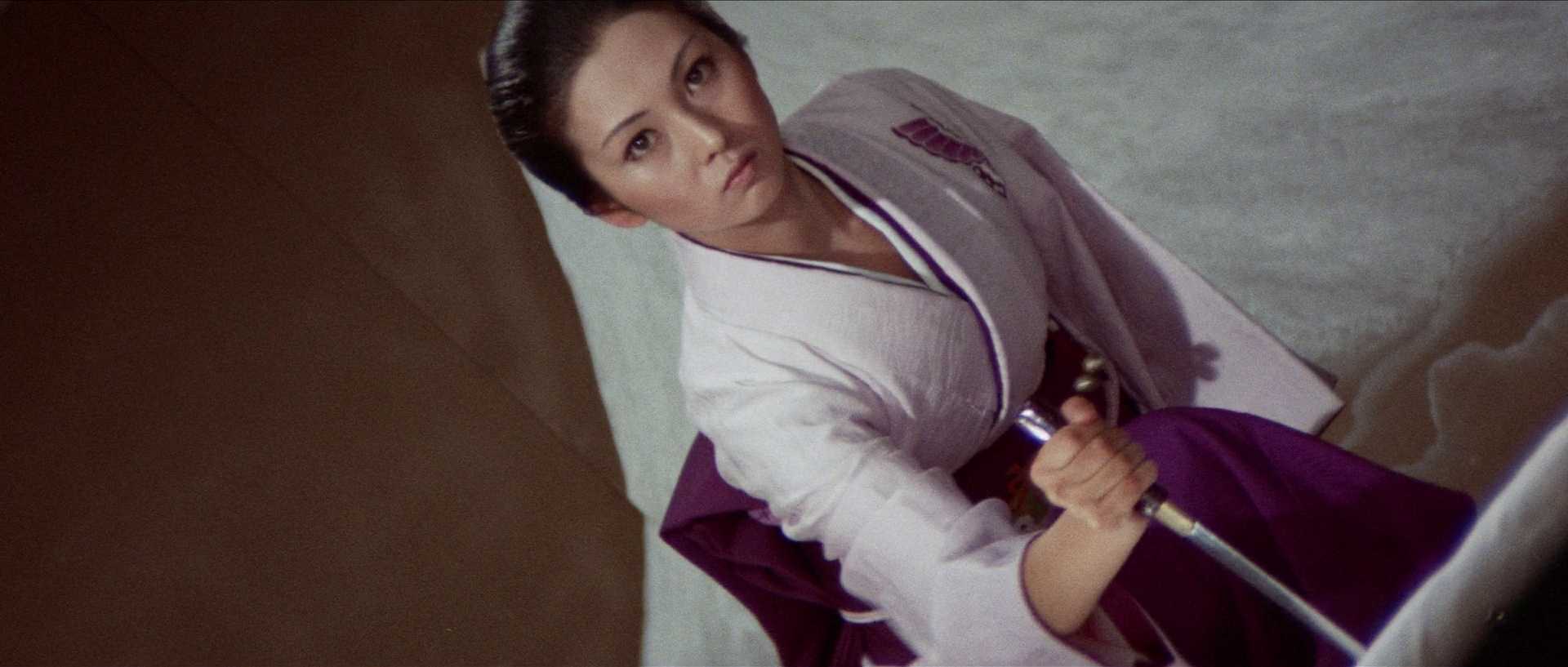
Wandering Ginza Butterfly (1972)

Any fans of enigmatic Japanese female star Meiko Kaji will enjoy watching the actress here, in her role of former biker gang member and wandering gambler Nami Higuchi. Those familiar with Japanese yakuza films of the same period will also recognise many of her male co-stars, from such examples as the Battles Without Honour or Humanity pr Outlaw VIP series. Meiko seizes the opportunity to display a greater range of emotions than in her signature Lady Snowblood and Female Prisoner roles with plenty of melodramatic, but well-acted scenes. Despite the films greater focus on drama, it leads to an enjoyably frenetic and bloody climax. Cinephiles will also appreciate the reference to The Hustler (1961) during the snooker scene.

Meiko Kaji as the titular wandering gambler. Image sourced from blueprintreview.co.uk

No Other Choice (2025)

Much like Bong Joon Ho’s excellent 2019 exploration of class in South Korea in Parasite, No Other Choice explores the cruel realities of capitalism and just what lengths it takes to survive within the system. Lee Byung-hun plays the father with knowing wit and ferocity, as he seeks to eliminate the job competition and secure employment to provide for his family. Park Chan-wook’s skill as a director is on full display here, pulling off some tender family moments and dark humour amongst the visceral moments of bloody violence.

Lee Byung-hun as the desperate father. Image sourced from https://kccuk.org.uk

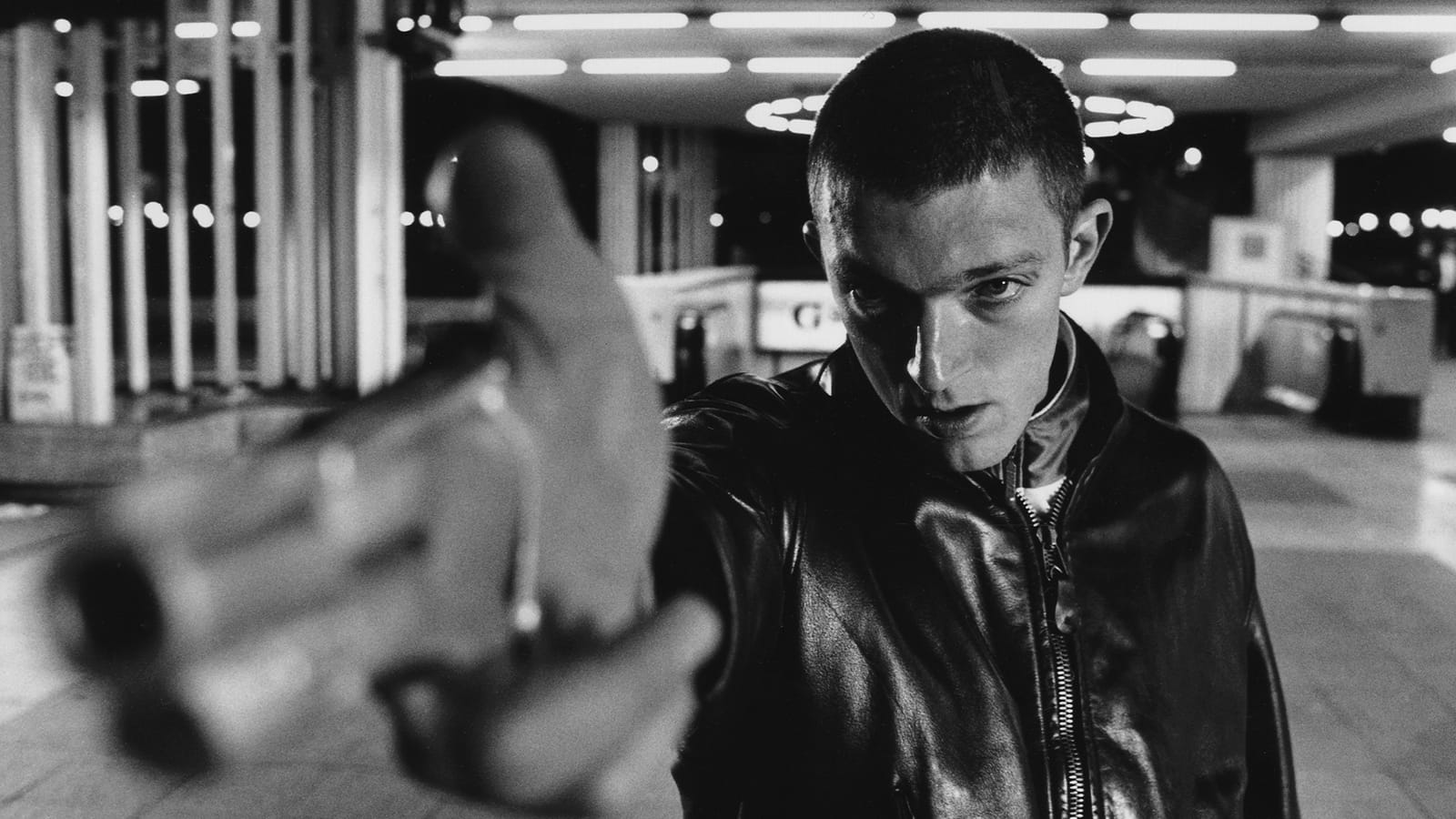
La Haine (1995)

With racism and immigration currently playing a central role within global political discourse, La Haine reminds of the everyday institutional discrimination that exists in society. This message is powered by three outstanding performances by our three male leads, each from different ethnic backgrounds. One an Algerian Arab, one a Jew and the other, a black boxer. All three have grown up in the ghettos of Paris, and their stories paint a vivid picture of growing up in a diverse community, but one also impacted by a racist and oppressive law enforcement. With the rise of the far right across Western democracies, La Haine’s beautiful black and white cinematography stands in stark contrast to the ugly violence that our three main leads are exposed to, and ultimately leads to inevitable tragedy. 

Vincent Cassel as Vinz in La Haine. Image sourced from adamfinecup.com

Bring Her Back (2025)

Bring Her Back is an exploration of grief and what lengths a mother will take to bring her loved ones back. In a perhaps unusual role for Happy Go Lucky’s Sally Hawkins, the actress gives an outstanding performance as the titular grieving mother that is equal parts scary and sympathetic. Bring Her Back is a notable improvement on the sibling director’s previously impressive Australian horror Talk to Me. With equally noteworthy acting from her two younger co-stars, the film’s gory body horror moments hit that much harder. A must watch for any international horror fan.

Sally Hawkins as the grieving mother in Bring her Back. Image sourced from www.standard.co.uk

The Cars That Ate Paris (1974)

The Cars That Ate Paris is the first feature from the prolific director Peter Weir, who went on to direct Picnic at Hanging Rock and the critically acclaimed Dead Poet Society, The Truman Show and Master and Commander: Far Side of The World. Set in the fictional Australian town of Paris, the film is equal parts dark comedy, horror ozploitation and somewhat of an inspiration for Miller’s Mad Max series. This is most obvious in the outlandish cars that the younger members of the town terrorise their elder peers with, cannibalised from the wrecks of innocent drivers that the community has turned into medical test subjects. Though it does not reach the levels of his later bigger budget efforts Weir’s film still has its effective moments, particularly when poking fun at Australia’s colonial/settler history, satirising small town life or, as in its opening, modern consumerism. Much of these come at the expense of the town’s major, played impressively by veteran Australian actor John Meillon.  The destruction of his aboriginal garden ornament is just one of many hints at the town’s xenophobia. Much like the cannibalistic Sawyer family of The Texas Chainsaw Massacre or the bloody southern hospitality of Two Thousand Maniacs, the residents of Paris will do anything to keep their tradition free from outside interference.  

The cars circle one of their victims in the town of Paris. Image sourced from www.letterboxd.com

Create your own website, free on WordPress.com.Create your own website.
Start free